



No Lamination
Retains the original paper surface. It may be easier to write on when uncoated but provides less protection against moisture, scratches and frequent handling.

← View all Printing Support Guides
Image Magic Printing Material Guide
Paper weight is only one part of material selection. The surface, thickness, stiffness, colour, texture, grain direction, printing process and finishing all influence how a finished product looks and performs.
These are general starting points. Available stocks depend on product, size, quantity, printing method, supplier availability and finishing.
GSM means grams per square metre. It describes how much one square metre of a material weighs. A higher GSM normally indicates a heavier sheet, but it does not provide an exact measurement of thickness.
Used mainly to compare the weight of paper and card. For example, 100gsm paper weighs 100 grams per square metre.
Used to describe physical thickness. This is especially useful for synthetic sheets, rigid materials and products with the same GSM but different bulk.
Important: Two 250gsm stocks can have different thickness, stiffness and feel. Coating, fibre, compression, texture and manufacturing method all affect the final material.
| Typical weight | Common material examples | Common uses | Important notes |
|---|---|---|---|
| 80–100gsm | Simili, writing paper, coloured paper, Conqueror | Documents, letterheads, forms, inserts and section dividers | Usually easier to write on when uncoated |
| 105–157gsm | Coated art paper or selected uncoated text paper | Flyers, brochures, booklet pages and catalogues | Coated surfaces normally reproduce photographs more strongly |
| 170–200gsm | Heavy art paper or light card | Premium flyers, presentation sheets and light covers | May require scoring for certain folds |
| 210–250gsm | Art card, ivory card and specialty card | Booklet covers, postcards, menus and invitation cards | Suitability for folding depends on grain, coating and finishing |
| 260–300gsm | Premium uncoated card, textured card and heavy art card | Business cards, invitations, covers and premium stationery | Creasing may be required before folding |
| 310–350gsm | Heavy card and Kraft Board | Business cards, tags, premium covers and rigid-feel cards | Not suitable for every fold or finishing combination |
These ranges describe common uses, not fixed production rules.
Has a natural, non-coated surface. It is generally suitable for writing and gives printed colours a softer appearance.
Has a smoother coated surface that usually produces stronger image detail and colour. The surface may be gloss, silk or matt coated.
Includes laid, wove, linen and other tactile surfaces. Fine details and heavy solid colours may reproduce differently on the texture.
The paper colour becomes part of the design. Standard CMYK printing is not opaque, and unprinted white areas show the paper colour.
Have a warm natural appearance. Fibre, shade and surface variation are part of the material character.
Selected PET or PVC-based sheets offer greater resistance to water and tearing than ordinary paper. Exact performance varies by stock.
The following are representative material samples. Stock availability, shade, texture, GSM and compatible products must be confirmed at the time of ordering.
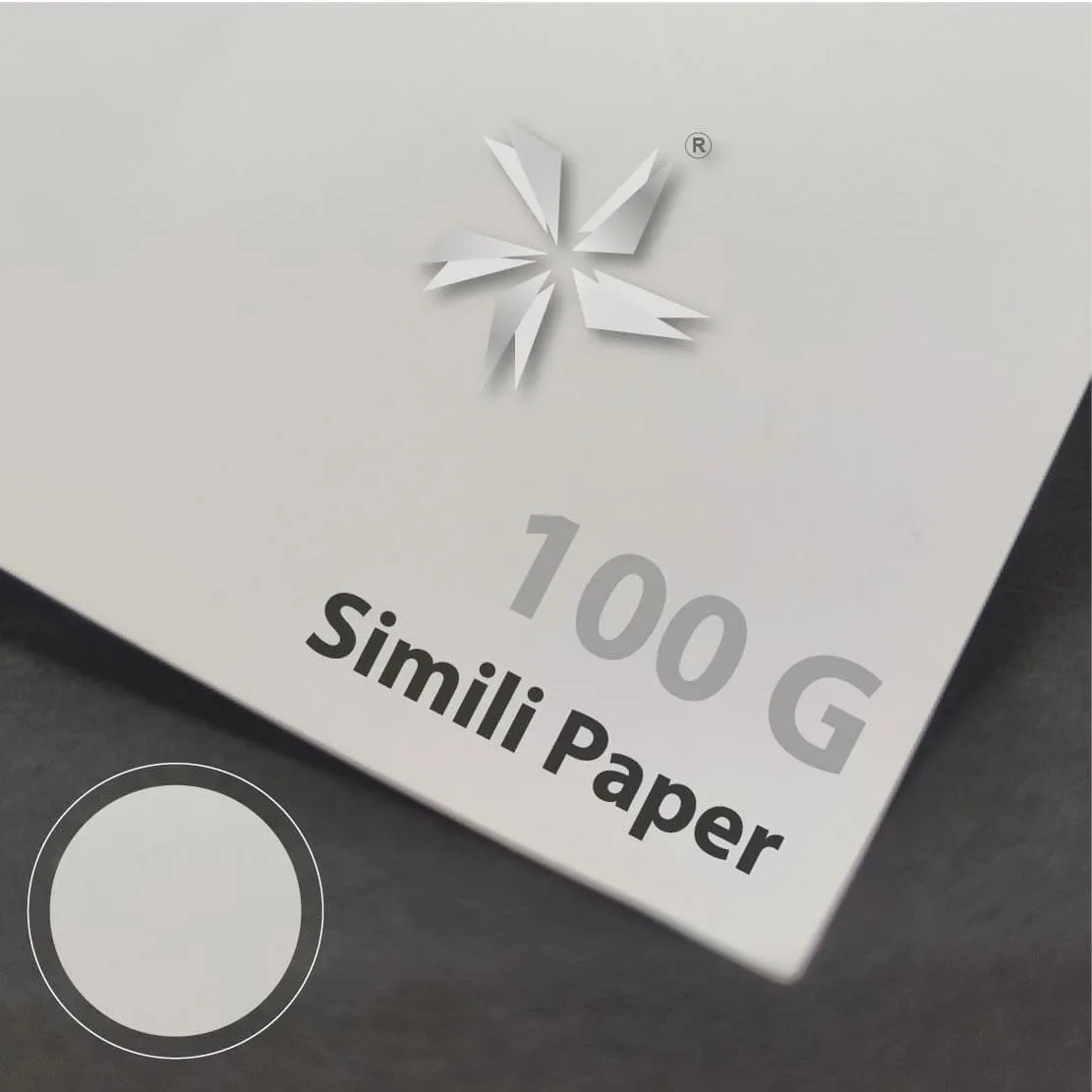
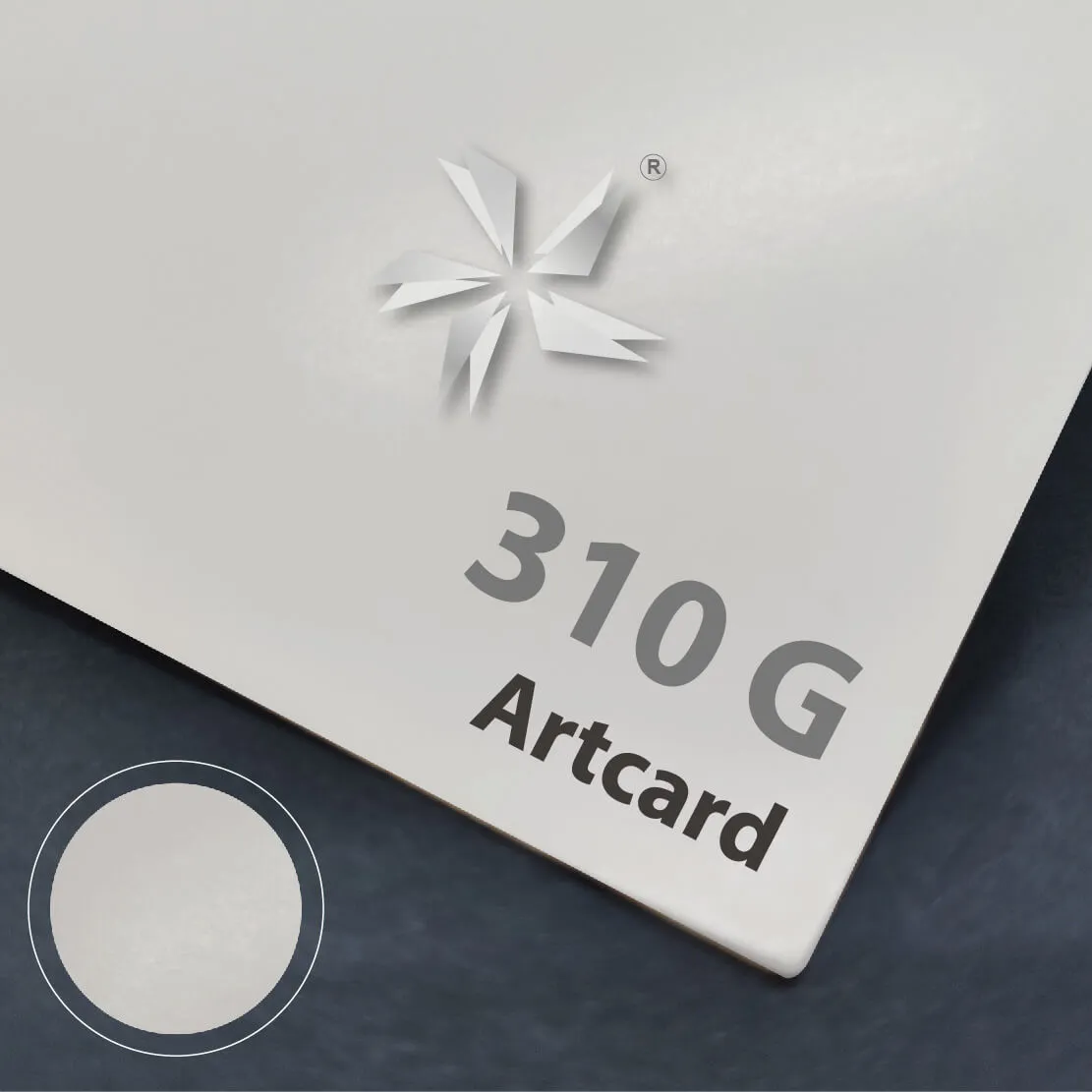
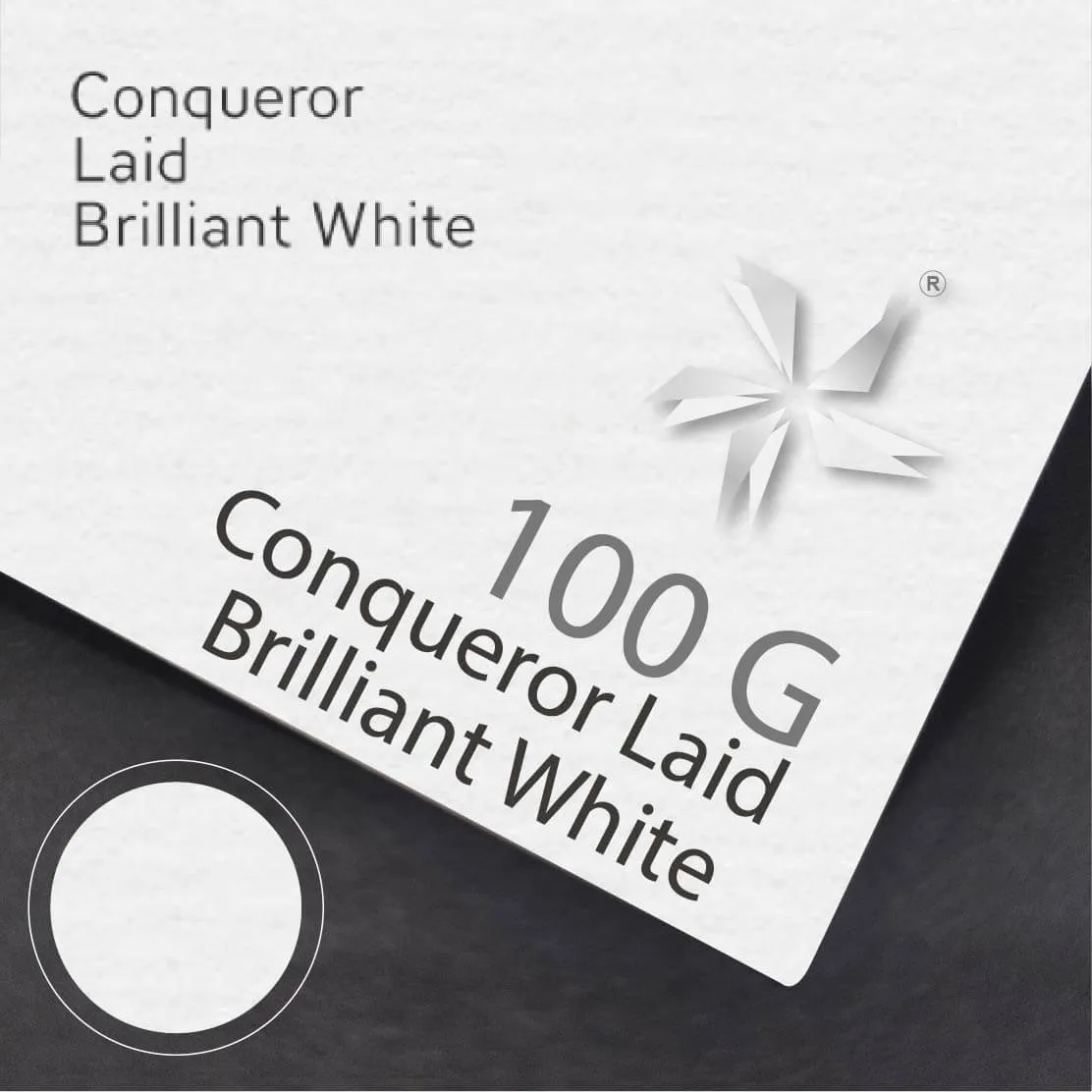
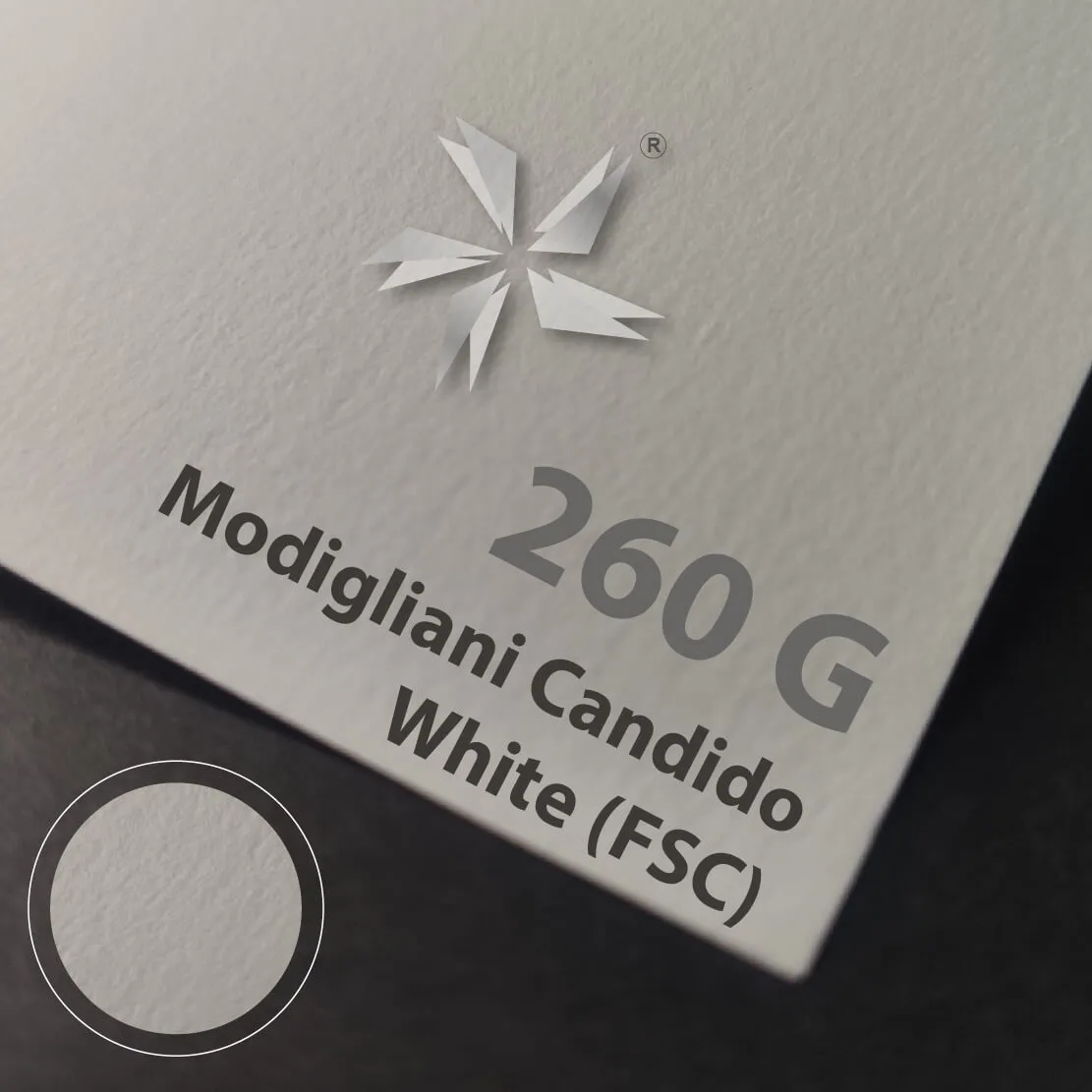
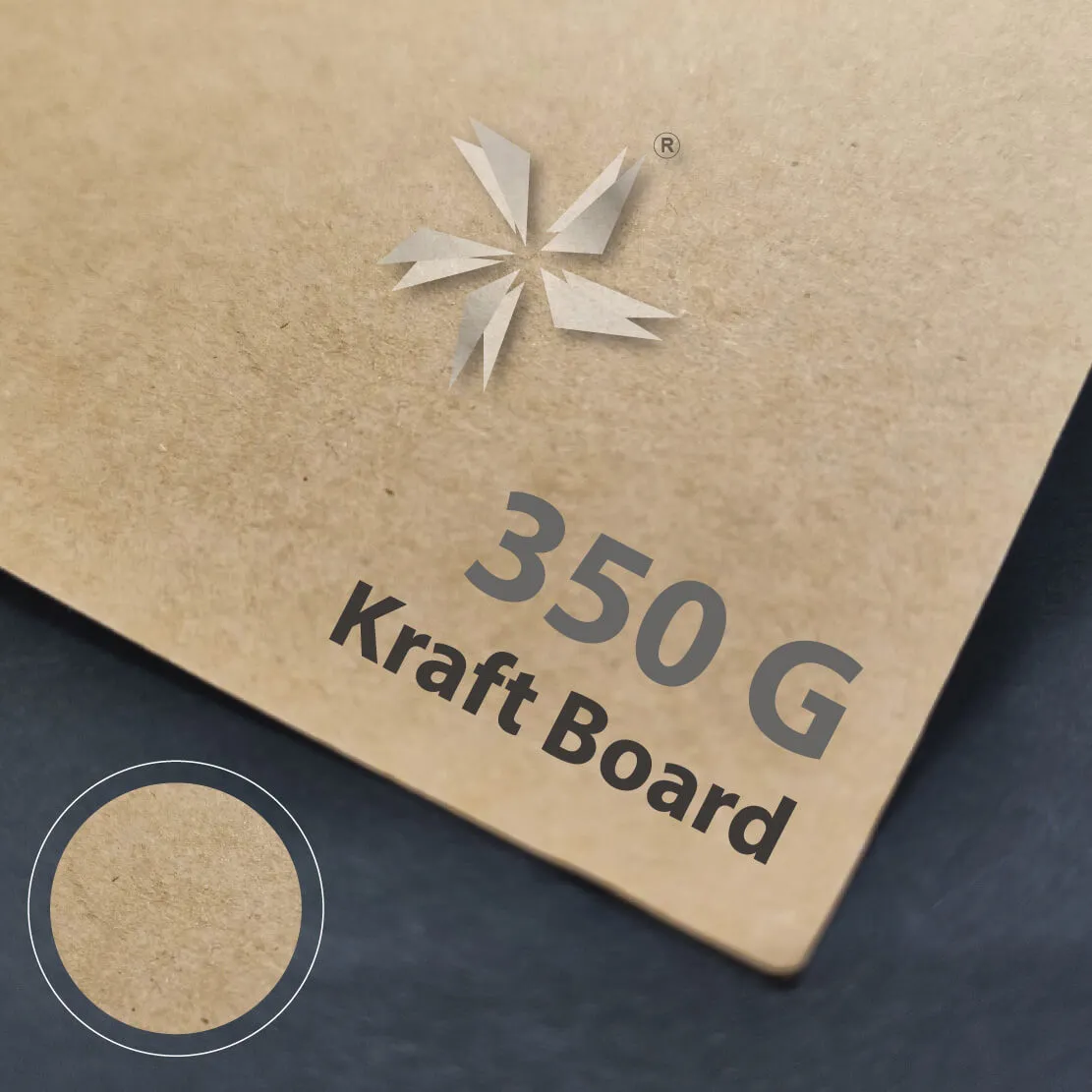
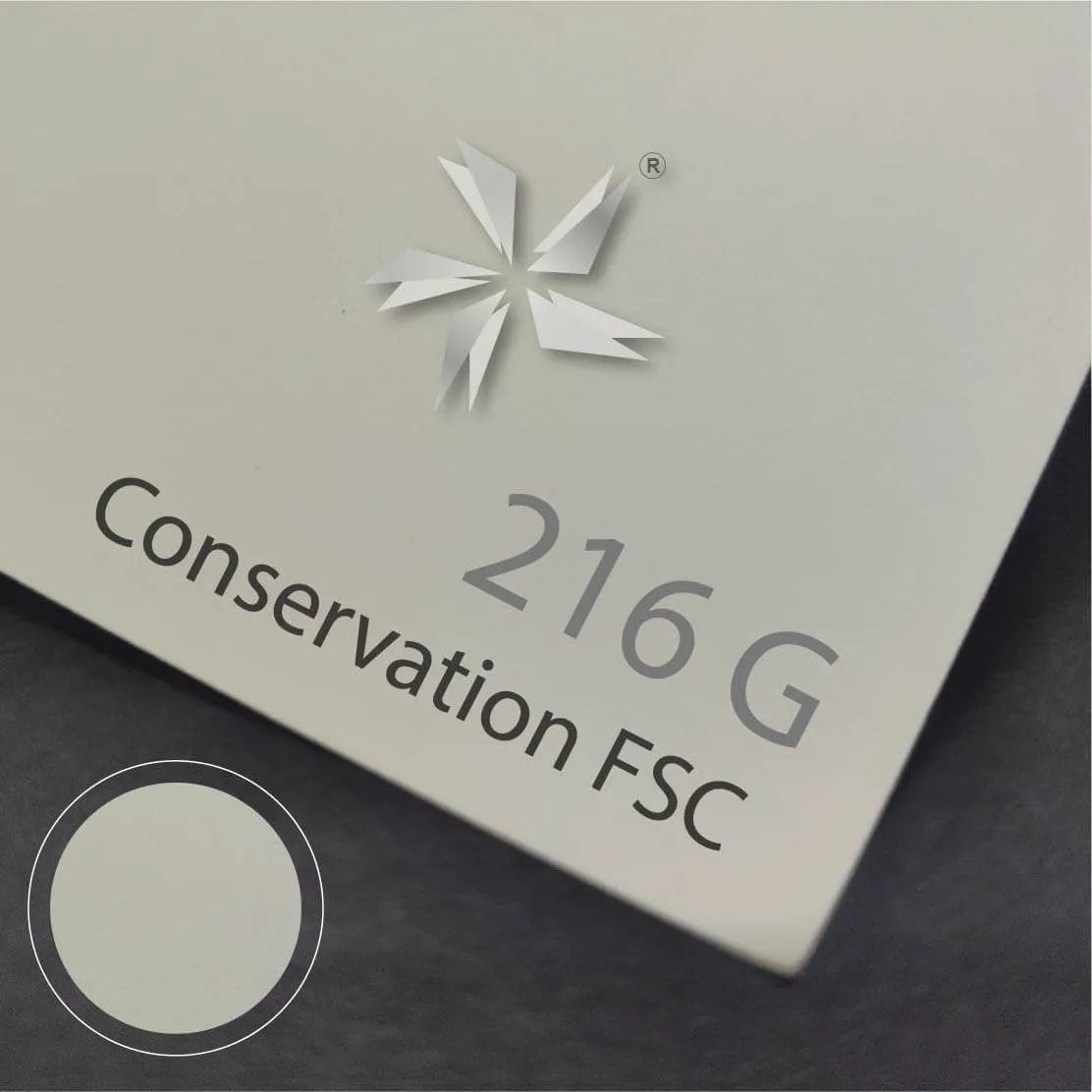
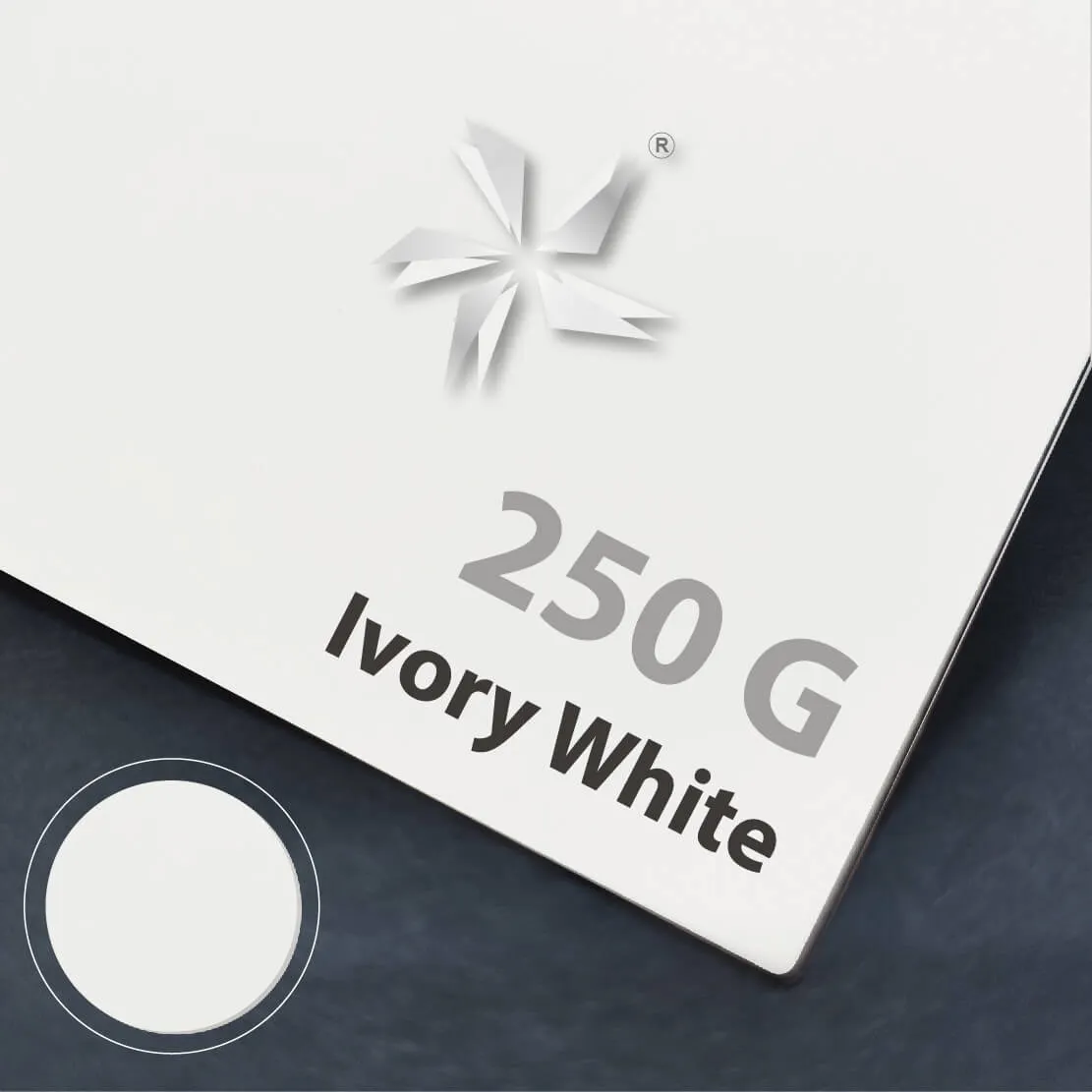
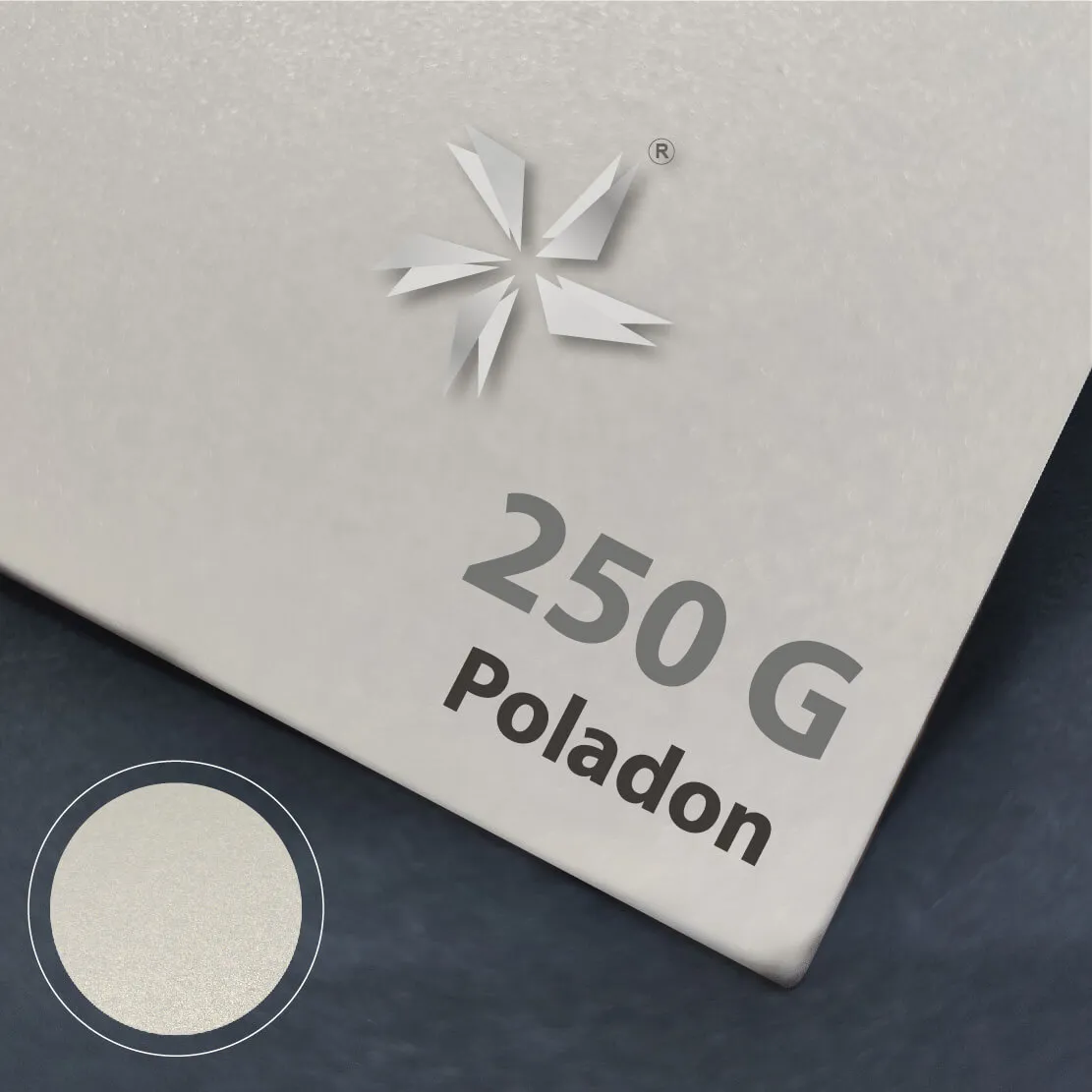
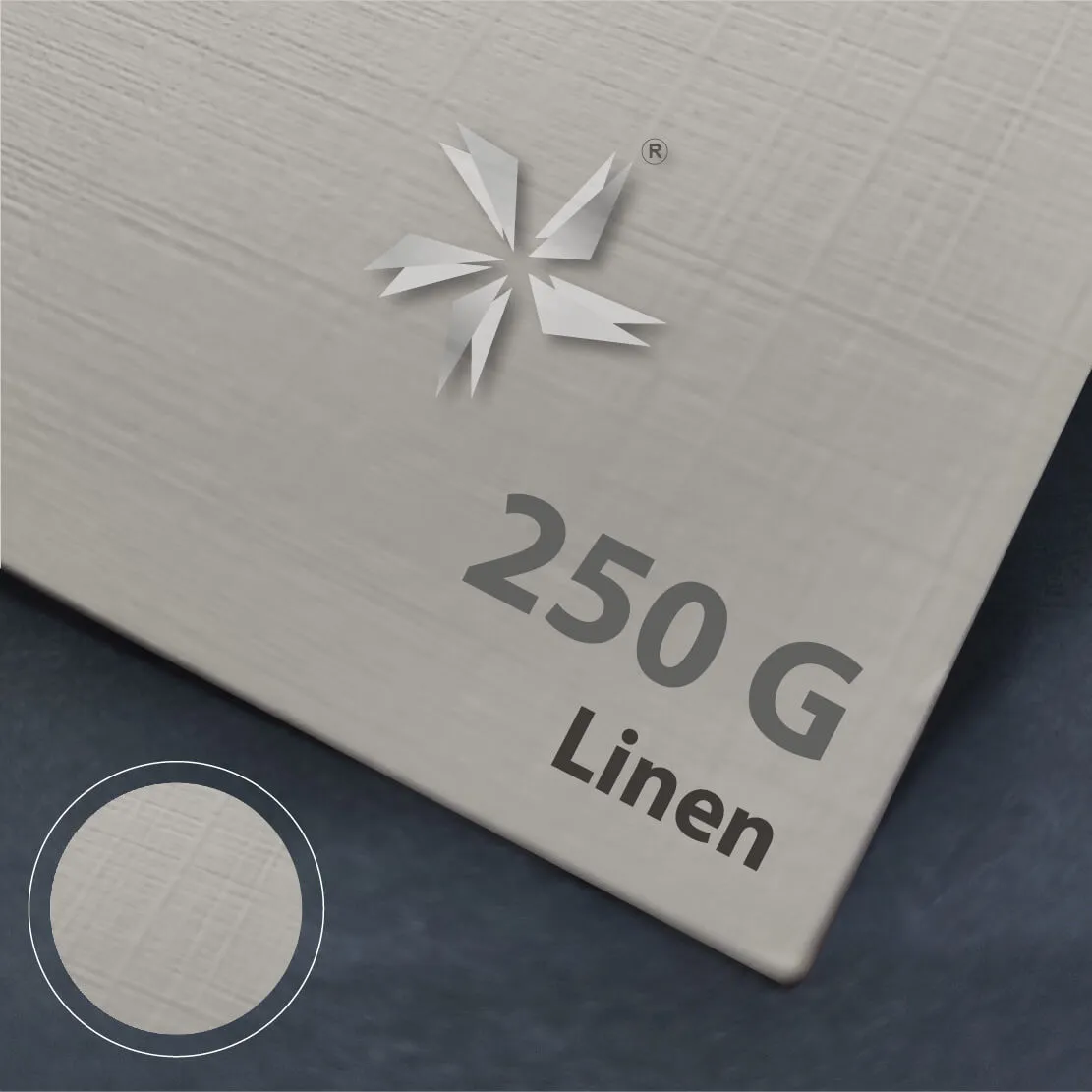
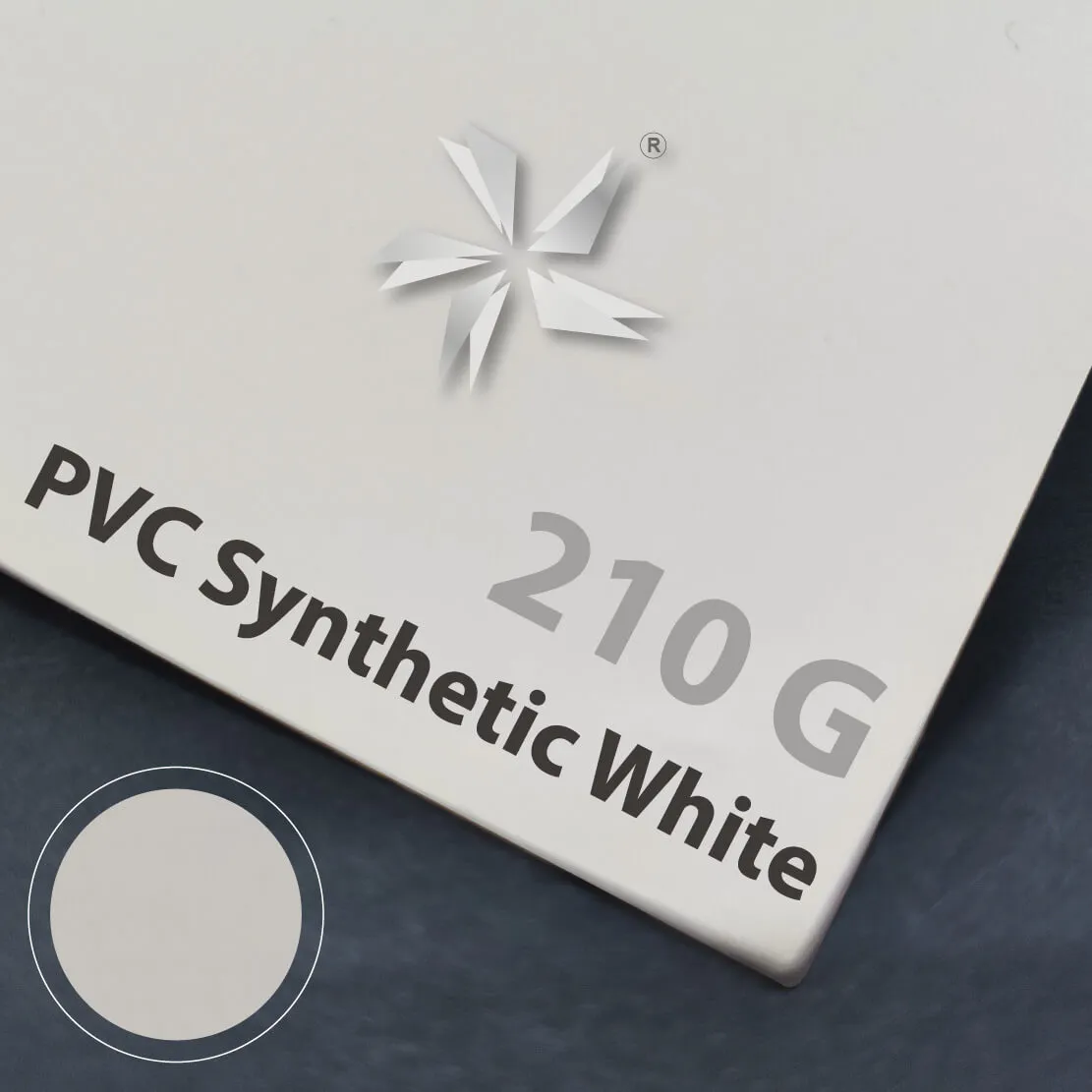
80gsm Yellow80gsm Ivory80gsm Pink80gsm Ocean80gsm Lagoon80gsm LavenderGreen Forest 300gsmPET/PVC 200 micron, 280gsmPET/PVC 275 micron, 380gsmFrosted PVC 260 micron, 300gsm
Paper sample photographs are for general reference only. Lighting, monitor settings, camera exposure and production batches can make the actual shade and texture appear different.
| Printed product | Common starting options | Why they are selected |
|---|---|---|
| Office documents and forms | 80–100gsm Simili or uncoated paper | Readable, economical and generally easy to write on |
| Letterheads | 100gsm Simili, Conqueror Wove or Conqueror Laid | Suitable for corporate correspondence and handwriting |
| Flyers and brochures | 105–157gsm art paper | Smooth surface and good reproduction of images and colours |
| Booklet inner pages | 80–120gsm uncoated or 105–157gsm coated | Choice depends on page count, photographs, writing and bulk |
| Booklet covers | 210–310gsm art card or selected uncoated card | Provides greater stiffness and protection |
| Business cards | 250–350gsm card or specialty stock | Provides stronger handling and a more substantial feel |
| Invitations and premium cards | Ivory, Linen, Modigliani, Poladon or other specialty card | Chosen for texture, shade and tactile presentation |
| Menus and frequently handled items | Laminated card or suitable synthetic material | Provides greater surface and moisture resistance |
| Dividers and section sheets | 80gsm coloured paper or selected heavier coloured stock | Helps separate sections clearly |
| Natural or rustic designs | Kraft Board, Conservation or Green Forest | Provides a natural shade and distinctive fibre appearance |
Standard CMYK toner and ink allow some of the underlying material colour to influence the result. Printed colours may look darker, warmer or less saturated.
A white object in ordinary artwork normally means no ink is printed. The paper colour will show unless a suitable white-ink process is specifically selected.
Fine lines, small text, gradients and large solid areas can reproduce differently on laid, linen, recycled and heavily textured stocks.
Kraft, recycled and coloured stocks are not ideal when an exact screen or brand-colour match is required.
Read the RGB vs CMYK Colour Guide for more information about colour expectations.
Refer to the Flyer and Brochure Folding Guide before preparing folded artwork.
Lamination adds a thin film to the printed surface. It can improve handling and moisture resistance, but it also changes the appearance and feel of the paper.
Retains the original paper surface. It may be easier to write on when uncoated but provides less protection against moisture, scratches and frequent handling.

Produces a smooth, low-reflection finish. It can create a premium appearance, although colours may appear slightly softer and the surface can show scuffing in some conditions.
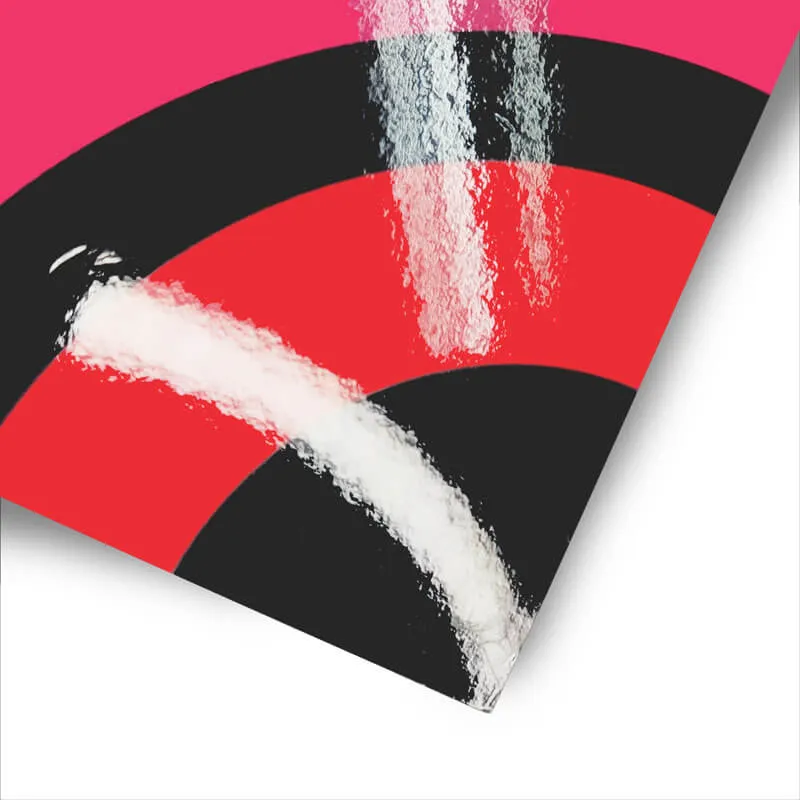
Produces a shiny, reflective finish that can make photographs and colours appear more vivid. Reflection and fingerprints may be more noticeable.
Not every paper should be laminated. Textured, highly absorbent, specialty and synthetic stocks may have different compatibility. Lamination can also reduce writability and affect folding.
Recycled appearance, natural colour and the word “conservation” do not automatically prove that every order qualifies for an FSC claim or logo. Certification status can depend on the exact paper, supplier, printer and chain-of-custody documentation.
Tell Image Magic before ordering when FSC certification, recycled content or a specific environmental claim is mandatory. The applicable stock and documentation must be confirmed before production.
No. A higher GSM means a heavier sheet, but the best material depends on the product, printing method, folding, binding, writing and desired appearance.
Paper bulk, coating, fibre, compression, texture and manufacturing method can create different thickness and stiffness at the same GSM.
Uncoated stocks such as Simili, selected Conqueror papers and uncoated card are normally easier to write on than coated or laminated surfaces.
Yes, but the paper colour will affect the result. White areas will normally show the paper colour unless a compatible white-ink process is specifically ordered.
The base material may resist water, but total performance also depends on the printing process, ink, finishing, cut edges, temperature and actual use.
No. Heavy, coated, laminated or textured card may require creasing, and some stock-and-fold combinations may not be recommended.
No. Screens, photography, lighting and production batches affect how colour and texture appear. Request a physical sample when important.
Send us your product, size, quantity, printing sides, intended use and preferred finish. Our team can recommend suitable available stocks and explain the differences before production.